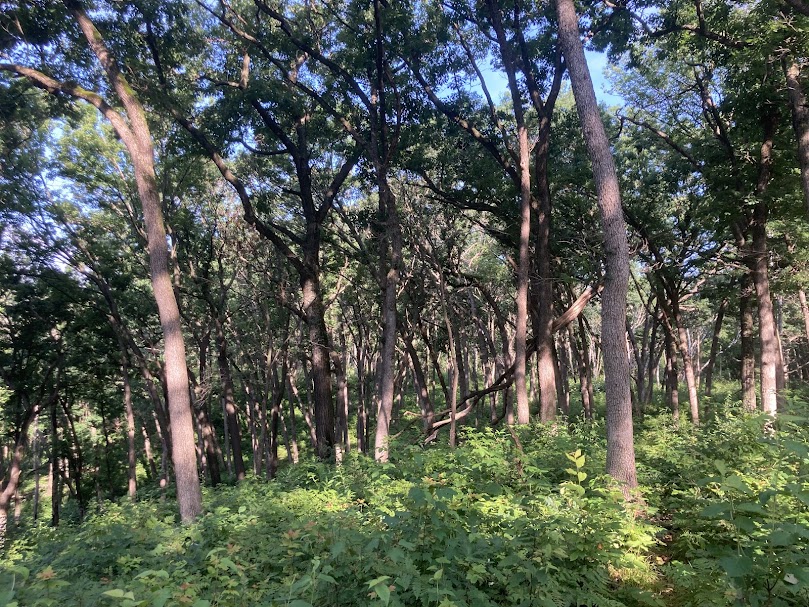
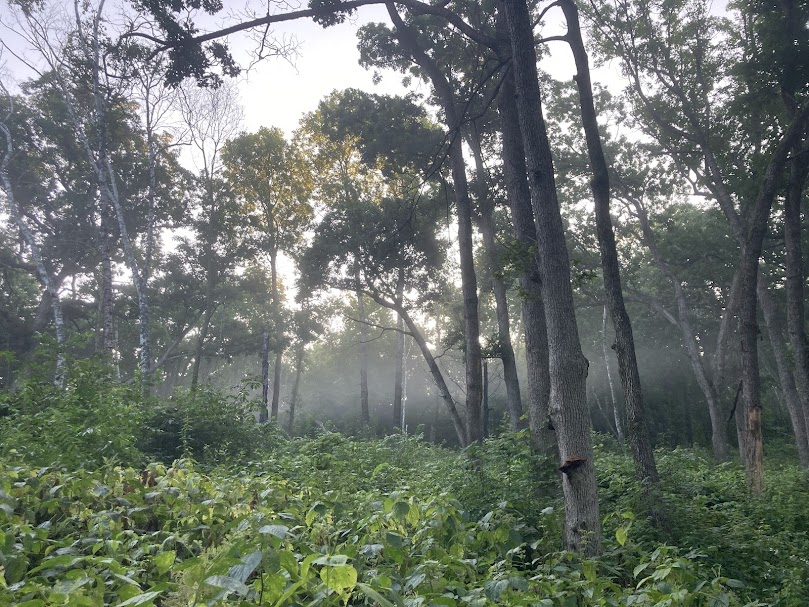
Woodlands are an especially biodiverse habitat type that once covered vast areas of eastern North America. As fire-dependent natural communities, they have become rare and degraded in the time following European settlement, largely due to fire-exclusion. Now, the persistence of woodlands is largely dependent on land stewardship using prescribed fire and tree thinning.
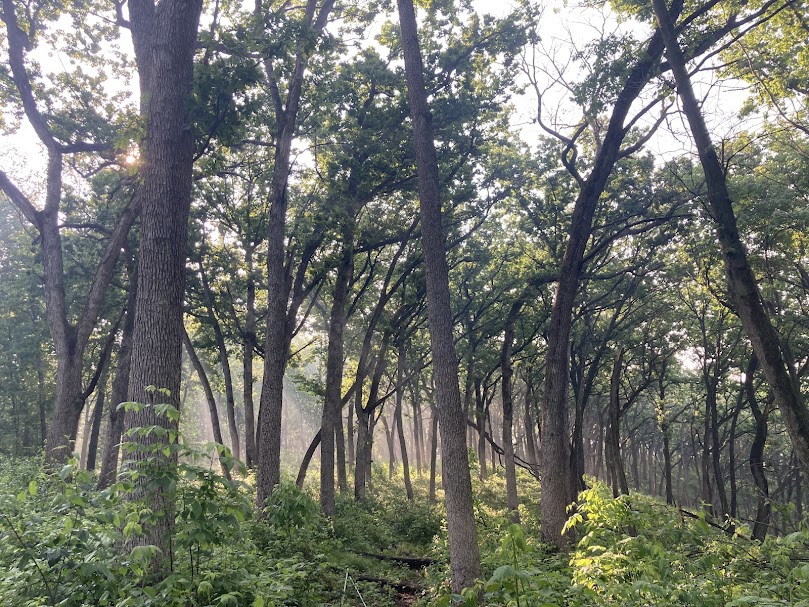
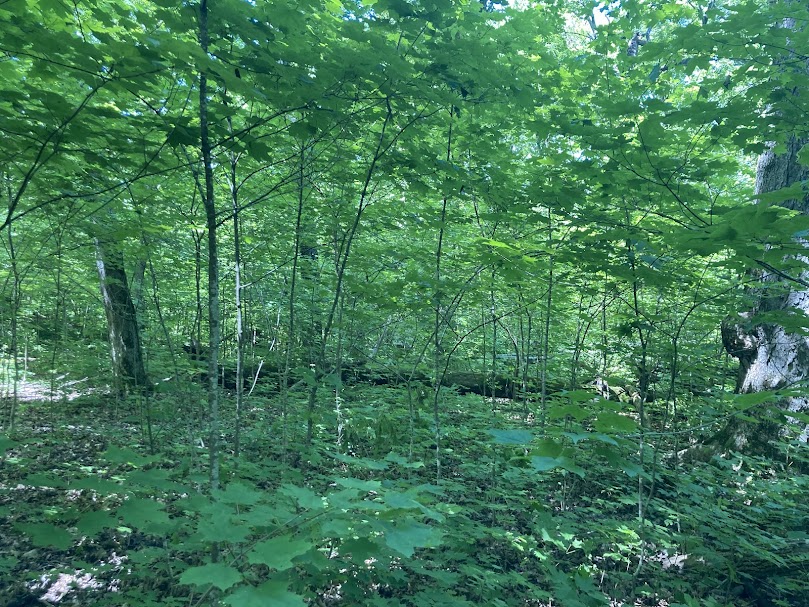
In the Baraboo Hills, like many parts of eastern North America, woodland communities are dominated by oak (Quercus) species, which are known to support a high diversity of caterpillars and other insects. To maintain the historic range of natural communities across the landscape, The Nature Conservancy has been managing extensive oak woodlands in the Baraboo Hills, using prescribed fire and other techniques. This work makes it possible for rare fire-dependent plant species continue to thrive, and for oak trees themselves to regenerate.


But for other species in woodlands—including the insectivorous birds and the arthropods they depend on for food during nesting season—what are the effects of management? In particular, how are interior forest bird species responding to woodland management within the extensive forests they require for nesting habitat? And is there a conservation tradeoff between woodland management and forest bird conservation? We used data from our long-term bird banding stations to find out.
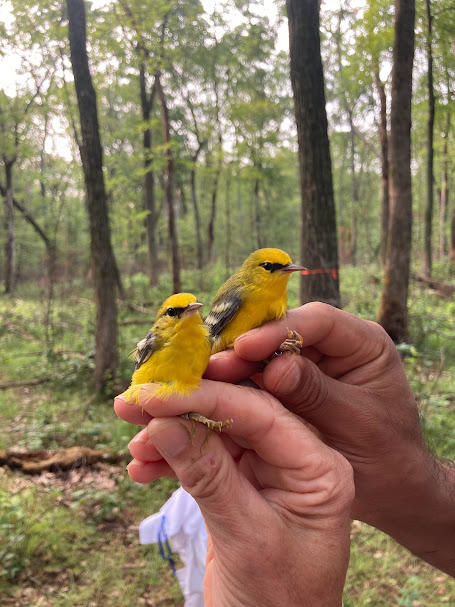
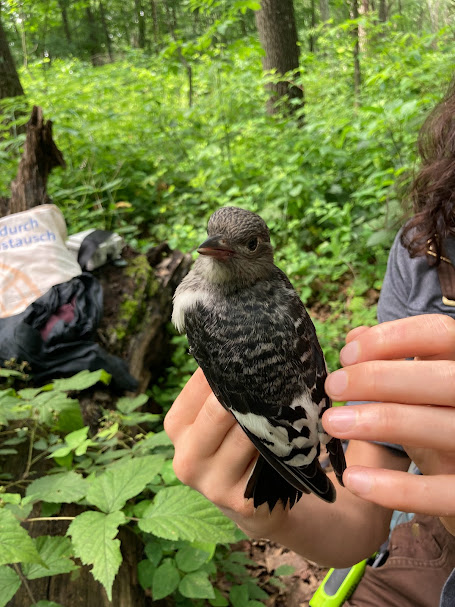
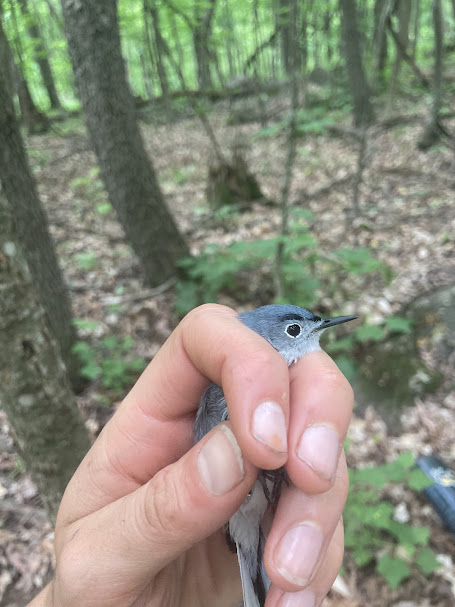
Between 2021 and 2023, we measured foliage arthropod biomass, and banded, measured, and released 535 avian insectivores in four study sites in the Baraboo Hills. We calculated how much arthropod biomass was available to insectivorous birds in the understories of managed or unmanaged woodland sites. For this part of the research, we participated in a citizen science program called Caterpillars Count! To study the bird community, we examined something called “mass-abundance relationships”—or the relationship between the size of a bird species and it’s abundance within a given community. In a healthy ecosystem, we would expect to find more smaller birds than larger birds because large species need more energy to survive. Deviations from this pattern could indicate some type of habitat degradation—particularly one that effects food resources.
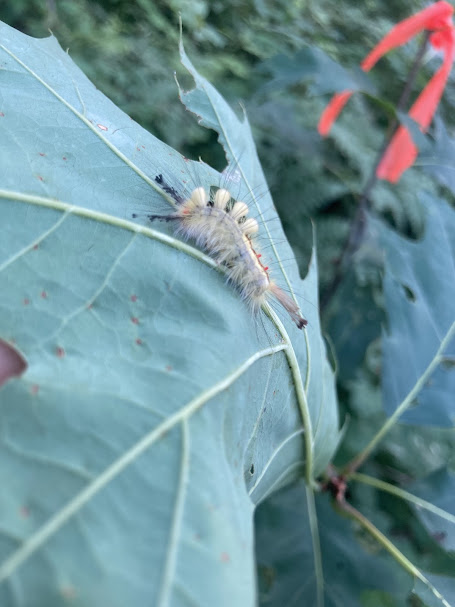
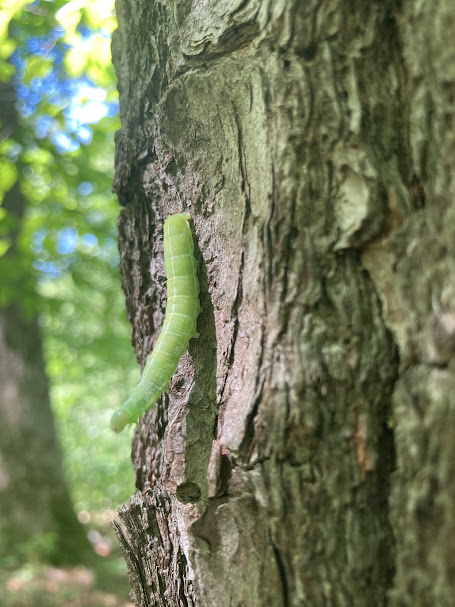
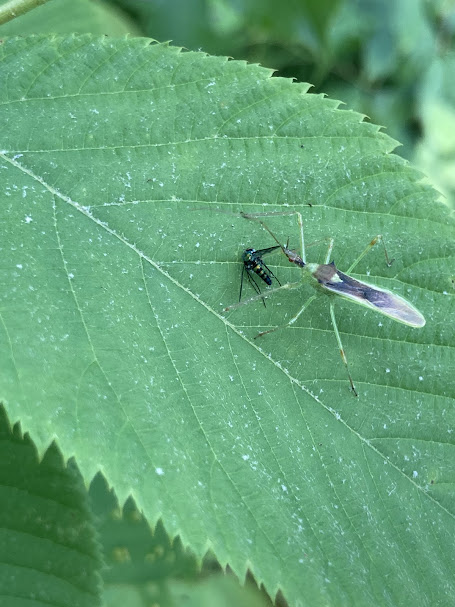
We found that in our two managed sites, arthropod biomass in the understory was higher than it was in similar unmanaged sites during two years. In an era of widespread insect declines, this is an exciting finding! During the third year, arthropod biomass was similar and low across our study area due to a severe drought.
We also found that there were more species of insectivorous birds in managed sites than in unmanaged sites. This higher species richness in managed sites could be due to habitat structure or the increased availability of arthropod prey. Next, we found that the mass-abundance relationship we expected (more small birds than large birds) was indeed present in our study area—but only in managed sites. In unmanaged sites, mass-abundance relationships were not consistent between years, and rarely followed the expected pattern. This indicates that unmanaged sites could be degraded compared to managed sites and birds could be limited by arthropod availability. On the other hand, and despite the wide variation in arthropod biomass in our three study years, the mass-abundance relationships of insectivorous birds in managed sites were remarkably stable between years.
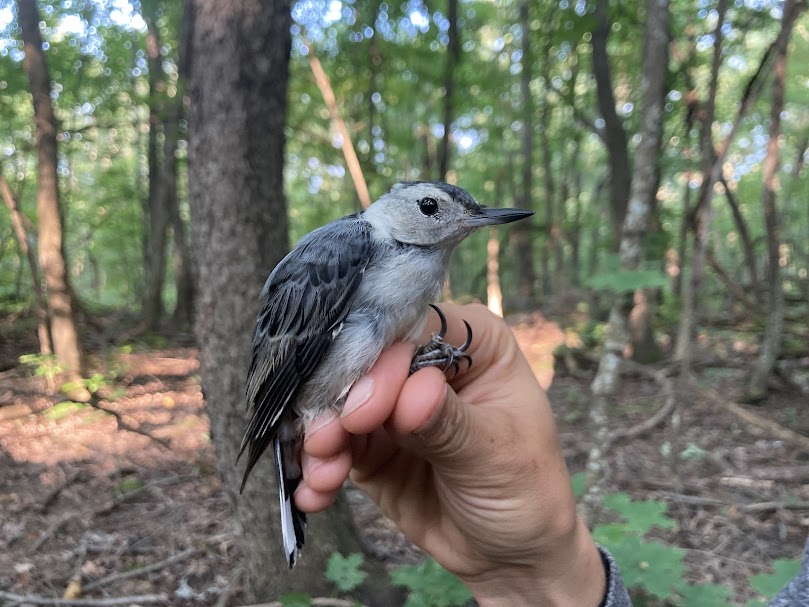
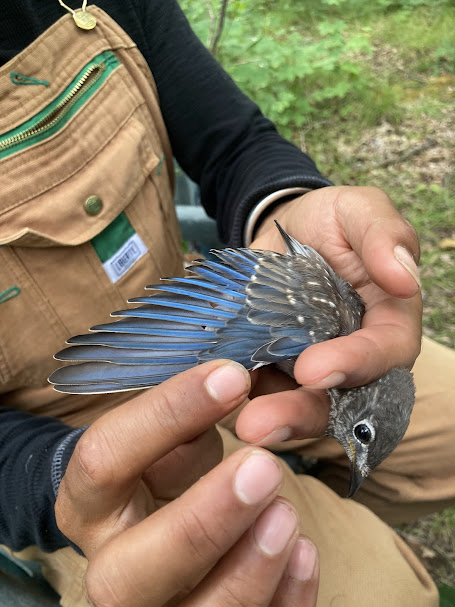
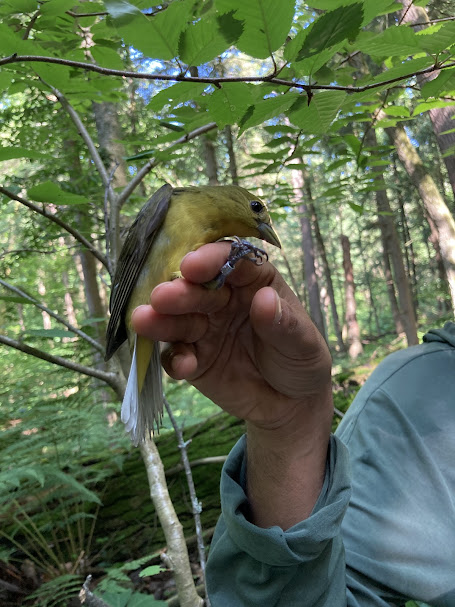
While we thought woodland management might pose a conservation tradeoff by negatively influencing interior forest birds, we actually found that managed sites supported more insectivorous bird species, more typical mass-abundance relationships, and more stability in the bird community between years. This indicates that woodland management benefits a wide range of bird species, and is associated with higher resilience to food resource variability.
This research was conducted as part of Maia’s PhD under the mentorship of Dr. Anna Pidgeon in the Department of Forest and Wildlife Ecology at the University of Wisconsin-Madison, and Sagara was a co-author. All birds were handled and banded safely under a USGS permit.
This work was published in Avian Conservation and Ecology, and a PDF is available here:
Click here to make a donation!
 Baraboo Hills Ecology Research Collective